10 Tips For Planning Stunning Hindu Destination Weddings
Table of Contents
There’s something pretty special happening right now: Hindu destination weddings are no longer a niche idea reserved for the boldest spreadsheet warriors in the family. More and more people are blending tradition with travel – because why not take the rituals you love and drop them into a place you’ve always dreamed of?
I’ve spent years documenting Indian weddings abroad, and there’s a reason these celebrations feel so alive. You’re not just getting married. You’re giving everyone a shared adventure.
Start with a destination that fits your story
First, ask yourself: what kind of vibe do you want this wedding to feel like? Some places naturally suit big, multi-day celebrations better than others. When sorting destinations, think about:
Vendor infrastructure: Countries like Spain, Italy, Mexico, and parts of Southeast Asia often have experienced teams for Indian/Hindu weddings.
Accessibility: Direct flights, reasonable travel time, and walkable towns make family life easier.
Weather windows: Pick a season you won’t be fighting with heat, rain, or wind.
Guest experience: Does the place feel like somewhere you’d want to spend three days celebrating?
My top Hindu destination wedding tips usually come down to this: pick a place that fits how you genuinely want to celebrate, not just how it looks on a moodboard.
Choose venues that actually work for rituals
A venue can be gorgeous and still totally wrong for a Hindu ceremony. You want beauty and practicality – otherwise your planner will be doing Bollywood-level choreography just to fit a havan kund somewhere safe.
Look for venues with:
A flat, open ceremony area (mandap setups need stability)
Backup indoor space in case the weather goes rogue
Flexible event timing
Enough room for guest flow during rituals
If you’re planning more than one function on-site, make sure the venue can reset quickly without turning everything into a construction zone.
Build a team that knows Hindu weddings
Destination weddings are not the time to educate your vendors on what a baraat is. You’ll be way happier with people who already understand the rhythm of a Hindu celebration.
Your core crew:
A destination wedding planner experienced with Hindu events
Caterers who can deliver Indian flavours and handle local sourcing
A decor team that understands mandap + ceremony needs
A makeup/hair team comfortable with bridal timing and outfit changes
A priest/pandit (either travelling with you or sourced locally)
If you’re figuring out how to plan a traditional Hindu wedding abroad, this is the backbone: the right people make the whole thing feel easy.
Get clear on legal marriage basics
Every country has its own rules, and they don’t always play nicely with travel timelines. Some couples do a legal ceremony at home and a symbolic one abroad. Others make it legal overseas. Both work, just don’t leave it until you’re three months out and stressed.
A quick, practical approach:
Decide early if the destination ceremony is legal or symbolic
Ask your planner what documents, translations, and appointments are needed
Build in buffer time (embassies and city offices move at their own speed)
Think of this as the “boring but essential” part of your Hindu destination wedding checklist.
Plan the timeline like a mini-festival
Hindu weddings run on emotion, energy, and momentum. Destination ones do too – with a little extra logistical spice.
If you’re planning a multi-day Hindu wedding overseas, treat it like a flowing story, not a set of disconnected events. A common, guest-friendly structure looks like:
Day 1: Welcome dinner/party
Day 2: Haldi/brunch and sangeet in the evening
Day 3: Wedding ceremony and reception
Key planning notes:
Leave breathing room for naps, pool time, and snack breaks
Don’t schedule everything at sunrise unless you want zombies by the pheras
Keep travel between events minimal
Put the most important rituals earlier in the day when everyone’s fresh
Adapt traditions to the setting (without losing meaning)
This is where destination Hindu weddings get really fun. You can keep rituals authentic and let the place elevate them.
Some respectful, beautiful adaptations:
Beachfront pheras with a wind-safe mandap design
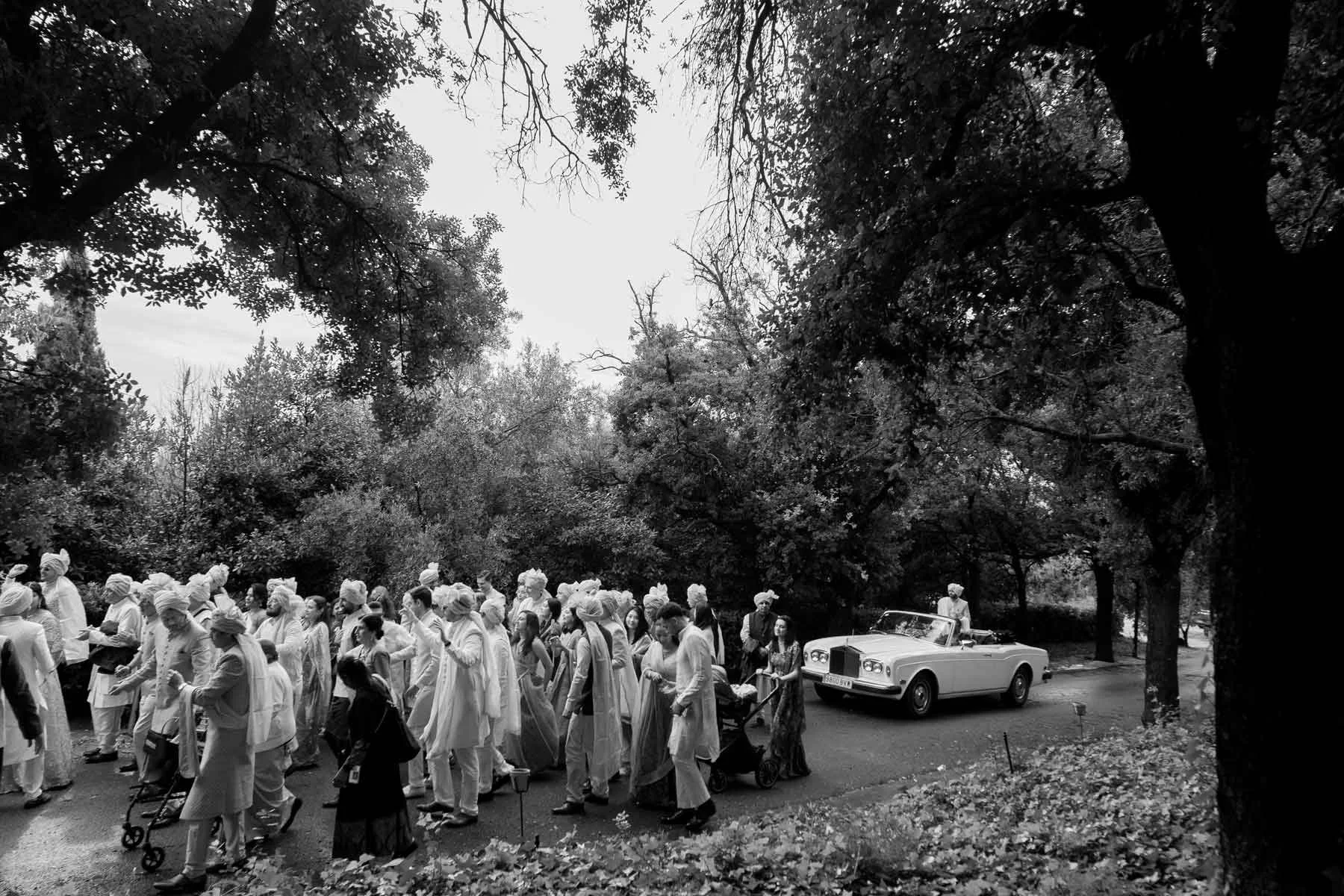
A shorter baraat route that still feels epic
Outdoor havan with extra safety planning
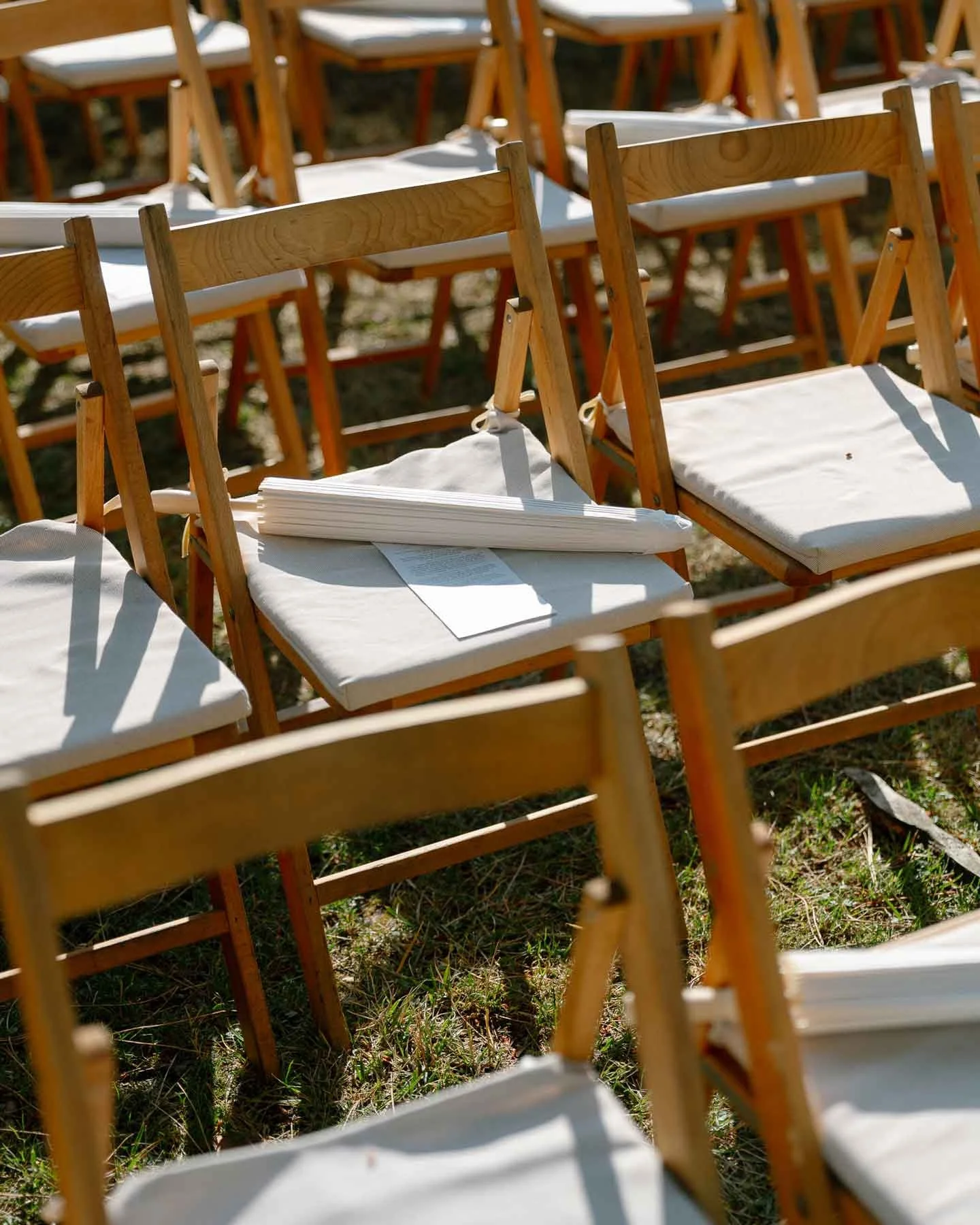
Seating that allows elders comfort without disrupting ceremony flow
Always run any changes by your priest so everything stays true to the ritual. With Hindu wedding ceremony planning for destination weddings, it’s all about keeping the soul of the ceremony intact and letting your location do the rest of the talking.
Feed people well – Local vibe with a desi twist
Food is not a side character at a Hindu wedding. It’s basically a headliner.
The sweet spot for destination catering:
One fully Indian feast each day
One meal that plays with local cuisine (think Spanish tapas night or Italian villa dinner)
Live stations: chaats, dosas, kebabs, or even fusion ideas
Late-night snacks because dancing makes people hungry
This way, guests feel both cared for and delighted, without the menu becoming repetitive.
Make it a guest experience, not just an itinerary
When people fly across the world for your wedding, they’re saying, “You matter.” Give them moments they’ll remember outside the main ceremonies.
Easy wins:
Thoughtful welcome bags (water, snacks, schedule, a small local treat)
One low-key group activity: winery visit, city stroll, boat trip, cooking class
A casual hangout space at the venue so people can connect
These extras don’t need to be complicated – they just need to feel warm and considered.
Think through travel, time zones, and energy
Jet lag is real. Aunties and uncles are not robots. Neither are you!
A few things that save sanity:
Encourage guests to arrive a day early if possible
Keep Day 1 lighter so everyone adjusts
Plan ceremonies at times that suit your crowd, not just the sunset
Have transport clearly organised (shuttles, pickup points, schedules)
If your family feels relaxed, the celebration feels relaxed.
Pick a photographer who can keep up
Hindu weddings move fast. Emotional stuff happens in the blink of an eye. And destination settings add another layer of unpredictability – changing light, multiple locations, and a lot of “wait, where is everyone going now?”
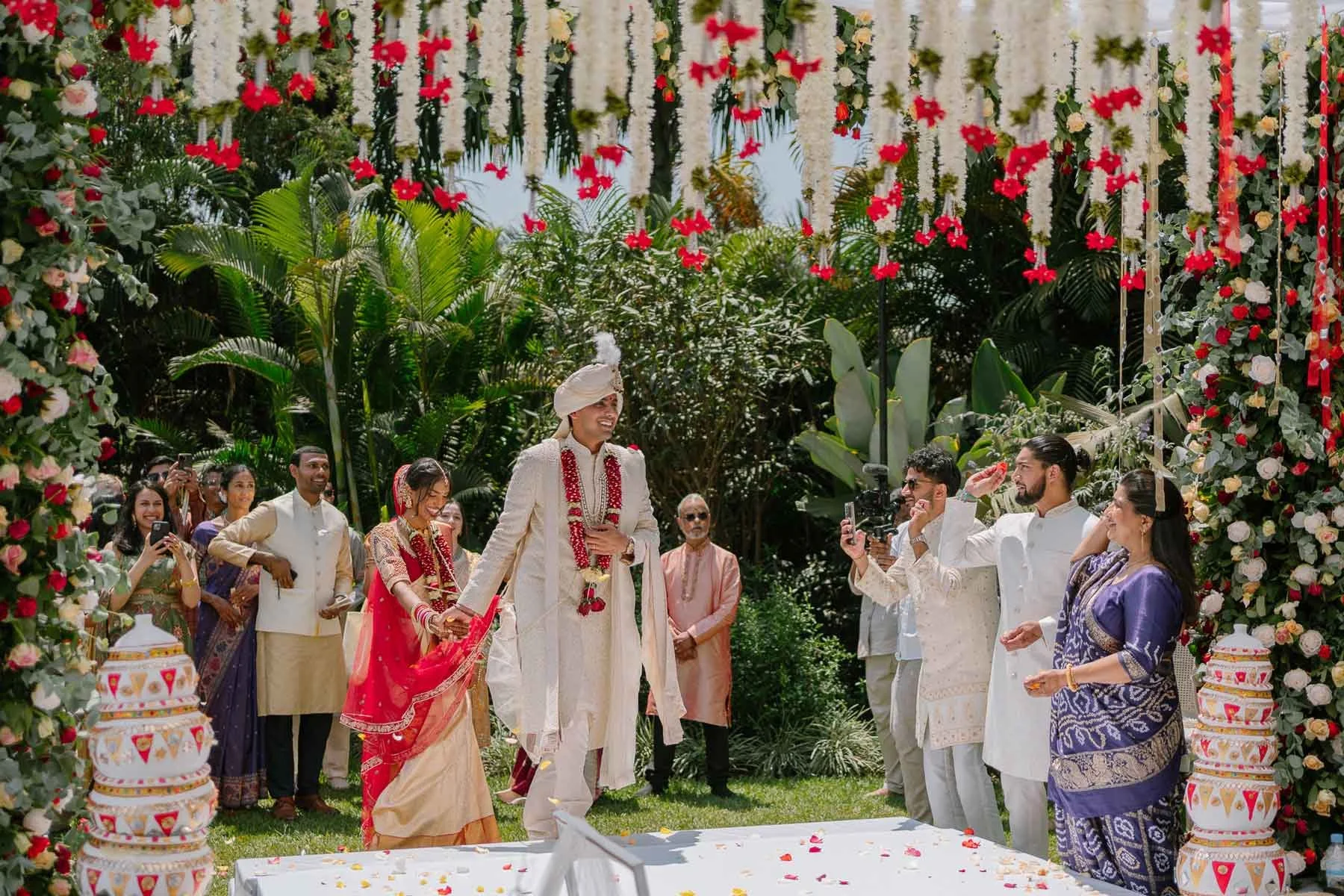
That’s why choosing someone who understands the flow matters. As a Barcelona wedding photographer specialising in Hindu weddings, my whole approach is low-key storytelling: I’m there for the chaos, the quiet, the tiny reactions, and the big moments – without pulling you away from your own wedding to pose for 40 minutes.
You enjoy the day. I’ll catch it.
Questions & Answers
Do you need to bring a pandit from home?
Not always. Some destinations have excellent local priests who are used to hosting Hindu ceremonies. If you have a specific family priest or language preference, bringing one can be worth it – just plan travel and stay early.
How early should you start planning?
For most destinations, 9 to 14 months gives you breathing room for venues, planners, and guest logistics. If you’re working tighter than that, it’s doable. You just need quicker decisions.
What’s the biggest mistake people make?
Trying to copy-paste a hometown wedding into a destination without adapting logistics. Let the place help you, not fight you.
Ready to start planning?
A stunning Hindu destination wedding isn’t about making everything bigger. It’s about making it feel right – your traditions, your people, your chosen place, all working together like they were meant to meet there.
I’d love to hear what you’re planning. Tell me where you’re thinking, what kind of energy you want, and what matters most to you. We’ll turn it into a story you’ll want to live through again every time you look at your photos.